
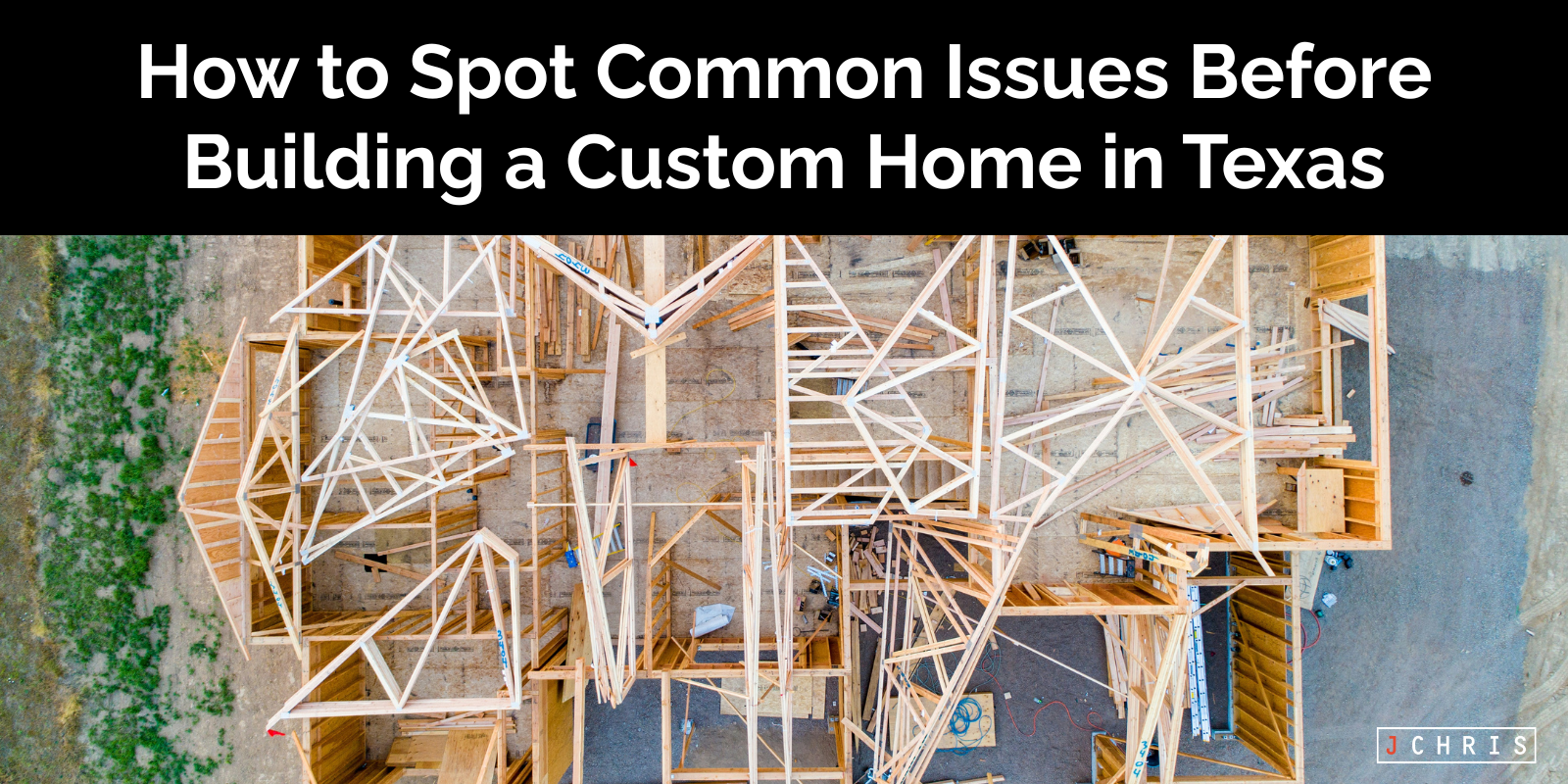
Before construction begins, some of the most critical problems are the ones you can’t see—yet. From land quality to minor oversights, early missteps can lead to costly rework or permanent compromises in your home’s design. Thoughtful planning and an experienced architect can help spot and address issues before they escalate.
Here are four things worth knowing—and spotting—before building your custom home:
1. What site conditions can affect your home before building begins?
Not all land is created equal. Poor soil quality, hidden drainage problems, zoning restrictions, and even protected animal species, trees, and wetlands can introduce significant delays and unexpected costs. Before the first shovel hits the ground, a thorough site evaluation helps uncover these concerns and ensures your lot is suitable for your architectural goals.
2. How does ceiling framing impact lighting and layout?
It’s easy to overlook how ceiling joists or rafters interact with lighting, speaker systems, or HVAC ducts—until it’s too late. A misplaced joist down the center of a hallway or living space can interfere with intended lighting layouts or limit design options. Addressing this during the framing process, with input from both the architect and builder, can prevent costly redesigns down the line.
3. Why is material storage important during construction?
Leaving building materials like lumber exposed to the weather or set directly on muddy ground can lead to moisture retention, swelling, warping, or even mold growth. Improperly stored materials may affect finish quality or structural integrity, for instance, by causing buckling wood floors or misaligned walls. Dry, elevated storage keeps your materials performing as intended.
4. What happens if the wrong materials are installed?
Custom homes rely on precision, especially where different materials come together, such as around window openings, roof lines, or thresholds. If the wrong material is delivered or installed (even slightly off-spec), it can derail both design and function. These details may not always be captured in standard construction drawings, which is why a thorough set of build documents and on-site walk-throughs with your architect are so important.
Frequently Asked Questions
What’s the biggest mistake homeowners make before building?
Overlooking or not understanding the existing conditions and buildable area of a lot. Poor drainage, hidden easements, diseased trees, or unsuitable soil can all delay construction, increase cost, or even compromise the ability to meet homeowner goals.
Can ceiling framing really affect lighting or speaker placement?
Yes. If mechanical and framing systems aren’t coordinated, they can block your planned lighting layout and require visible compromises in the placement of fixtures or HVAC registers.
How can you tell if your building materials are being stored properly?
Look for elevation off the ground, protective coverings, and placement away from standing water or mud. Ask your builder about their material storage plan during the construction process.
Conclusion
Good architecture doesn’t begin on paper—it begins in the dirt, in the details, and in the quiet conversations between designers, builders, and clients. Researching and identifying potential issues early ensures a well-informed project design and a build that will stand the test of time.
At J Christopher Architecture, our design process accounts for every phase of the build—because it’s not just about how a home looks, but how it lives, performs, and endures.
Learn more about our approach.