
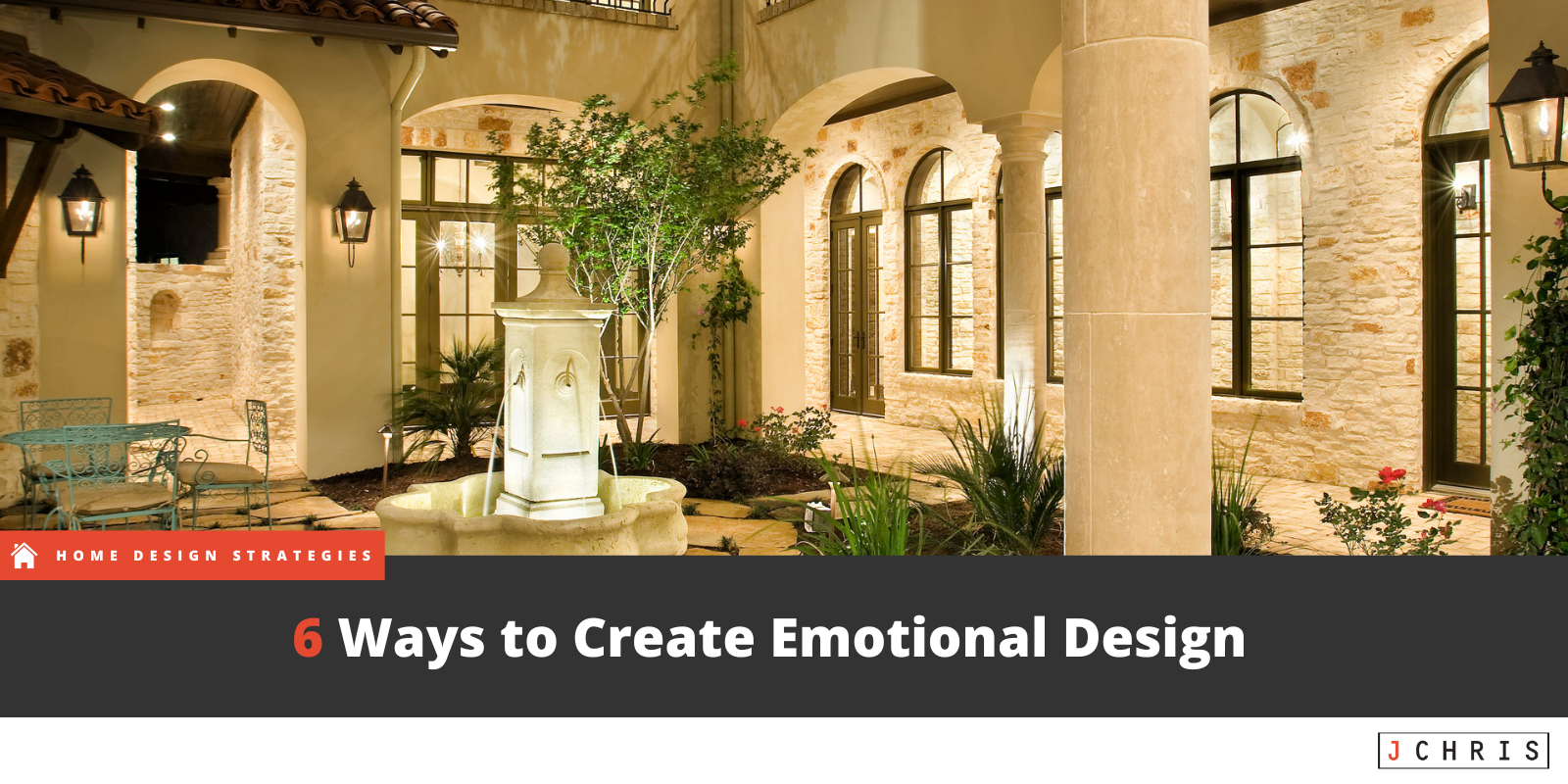
How can emotional design shape architectural storytelling?
Emotional design in architecture goes beyond aesthetics. It’s about creating spaces that connect to the heart as much as to the eye. By weaving together spatial flow, natural light, material choices, and the client’s story, architects can create experiences that feel layered, memorable, and deeply personal. Thoughtful design has the power to stir nostalgia, inspire awe, and foster a sense of belonging.
Here are six ways emotional design can influence how a home tells its story:
 1. Spatial Design: Guiding an Emotional Journey

Just like a novel unfolds chapter by chapter, a home can guide people through an emotional sequence. Narrow passages can build anticipation, while open living areas can create a sense of release and relief. The placement of thresholds, courtyards, or transitions between indoors and outdoors all contribute to how a home is felt, not just how it is used. The flow of space becomes a kind of narrative that reveals itself over time.
2. Lighting: Setting the Mood
Light is one of the most powerful emotional tools in architecture. A room flooded with morning sun feels alive and optimistic, while a softly lit alcove invites reflection and intimacy. Strategic use of natural and artificial light can highlight materials, shape moods, and even influence energy levels. When thoughtfully designed, light does more than illuminate experience; it choreographs it.
3. Materials: Evoking Memory and Meaning
Every material carries a story. Rough-hewn stone may suggest strength and endurance, while smooth plaster or polished wood can evoke a sense of calm and refinement. Even subtle choices, such as the grain of a wooden beam or the coolness of limestone, add to the sensory richness of a home. By selecting materials with intention, architects create spaces that evoke not only beauty but also a sense of memory and belonging.
4. Scale and Proportion: Creating Lasting Impressions
The dimensions of a space influence how it’s experienced. A soaring ceiling can inspire awe, while a cozy nook can offer comfort and security. Dramatic contrasts, such as transitioning from a low, intimate entryway to a tall, sunlit living room, heighten awareness and make the experience more memorable. Scale is not just a technical choice; it’s an emotional language that communicates how a space wants to be felt.
5. The Client’s Story: Designing for Identity
The most powerful designs begin with the people who will inhabit them. By listening to a client’s values, memories, and aspirations, an architect can weave personal meaning into the design. This might take the form of a favorite material, a symbolic detail, or a spatial arrangement that reflects family traditions. When a home reflects its owners’ story, it becomes more than shelter—it becomes an expression of identity.
6. Nostalgia: Honoring Memory Through Design
Architecture has the unique ability to evoke cherished memories. A wraparound porch may evoke memories of summers from childhood, while a stone fireplace might remind someone of family gatherings. These moments of recognition create instant emotional bonds. By integrating design elements that tap into personal history, architects invite people to feel both rooted and connected in their homes.
Building with Emotion in Mind
At J Christopher Architecture, we believe great design is not just functional—it’s meaningful. Emotional design ensures that a home feels alive with memory, story, and resonance. By combining thoughtful design principles with a deep respect for each client’s vision, we craft homes that are not only beautiful but also deeply personal.
Discover more about our approach to meaningful design: https://www.jchristopherarchitecture.com/services.
FAQ: Emotional Design in Architecture
What is emotional design in architecture?
Emotional design is the practice of creating spaces that go beyond function and aesthetics to evoke feelings, memories, and connections. It shapes how people experience and relate to their environment.
How do architects use emotional design?
Architects utilize tools such as spatial sequencing, natural lighting, material selection, and scale to influence mood and create meaningful experiences within a home.
Why is emotional design important?
It makes architecture more personal and memorable. A home built with emotional design principles doesn’t just meet practical needs—it resonates with its owners and becomes part of their story.
Can emotional design make a home more valuable?
Yes. Homes that feel intentional and emotionally resonant often stand out in the market. Buyers are drawn to properties that create a sense of belonging and connection.