
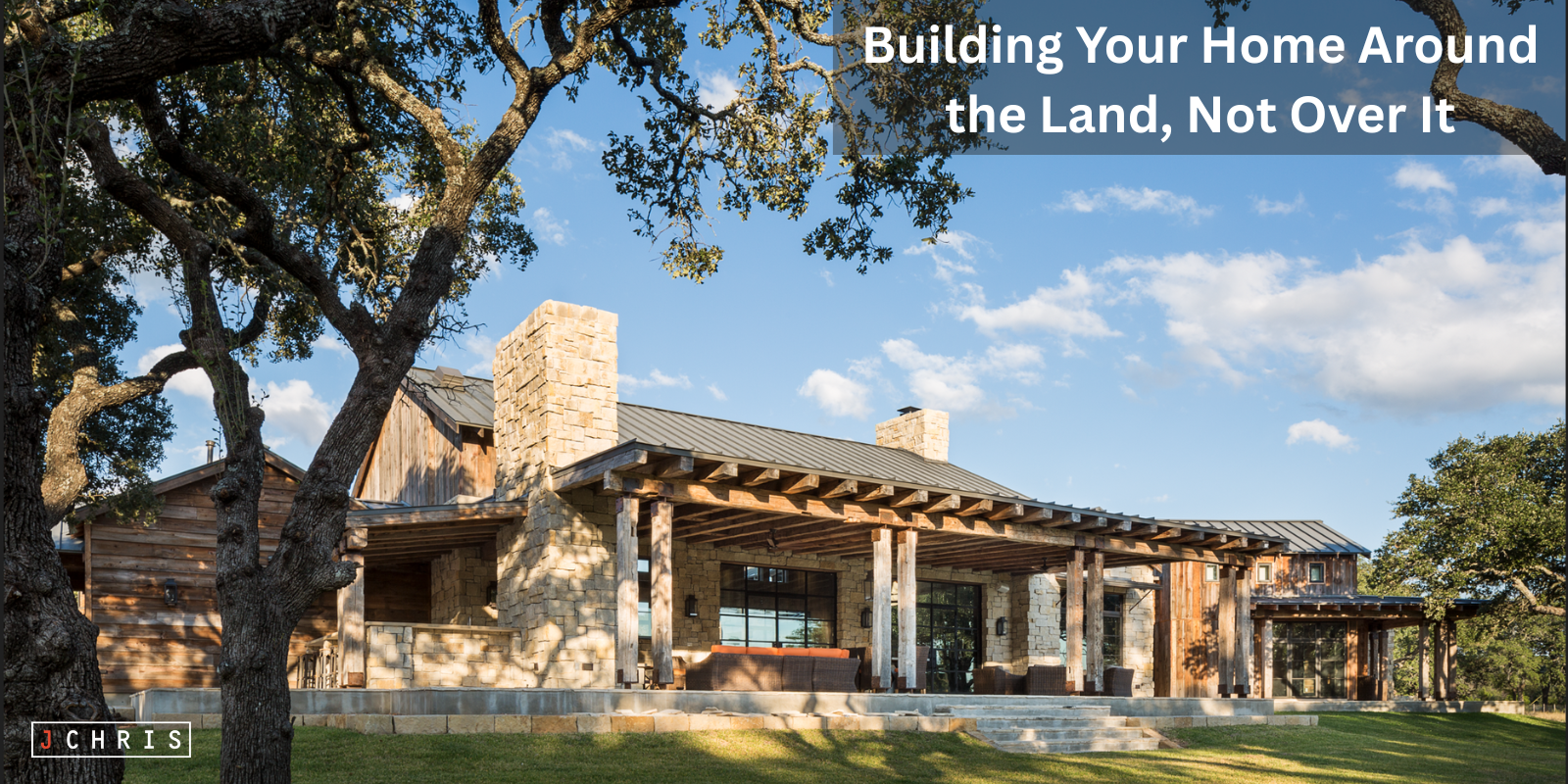
Designing Architecture that Honors Place
In Central Texas, the landscape tells a story long before a foundation is ever poured. Limestone shelves, native trees, shifting slopes, and resilient vegetation all carry the memory of time and place. I believe that building well means listening carefully to the land before drawing the first line.
When a home is designed around the land instead of being placed over it, the result is a structure that feels grounded, authentic, and lasting. Rather than imposing on its environment, the home becomes a continuation of it—an extension of the story already written in the stone, soil, and trees.
Here are three guiding principles I use to help clients create homes that honor and reflect their land.
1. Comprehensive Site Analysis
Every piece of land carries its own conditions and opportunities. By carefully studying topography, drainage, soil stability, climate patterns, and ecological features, I can design in response rather than reaction.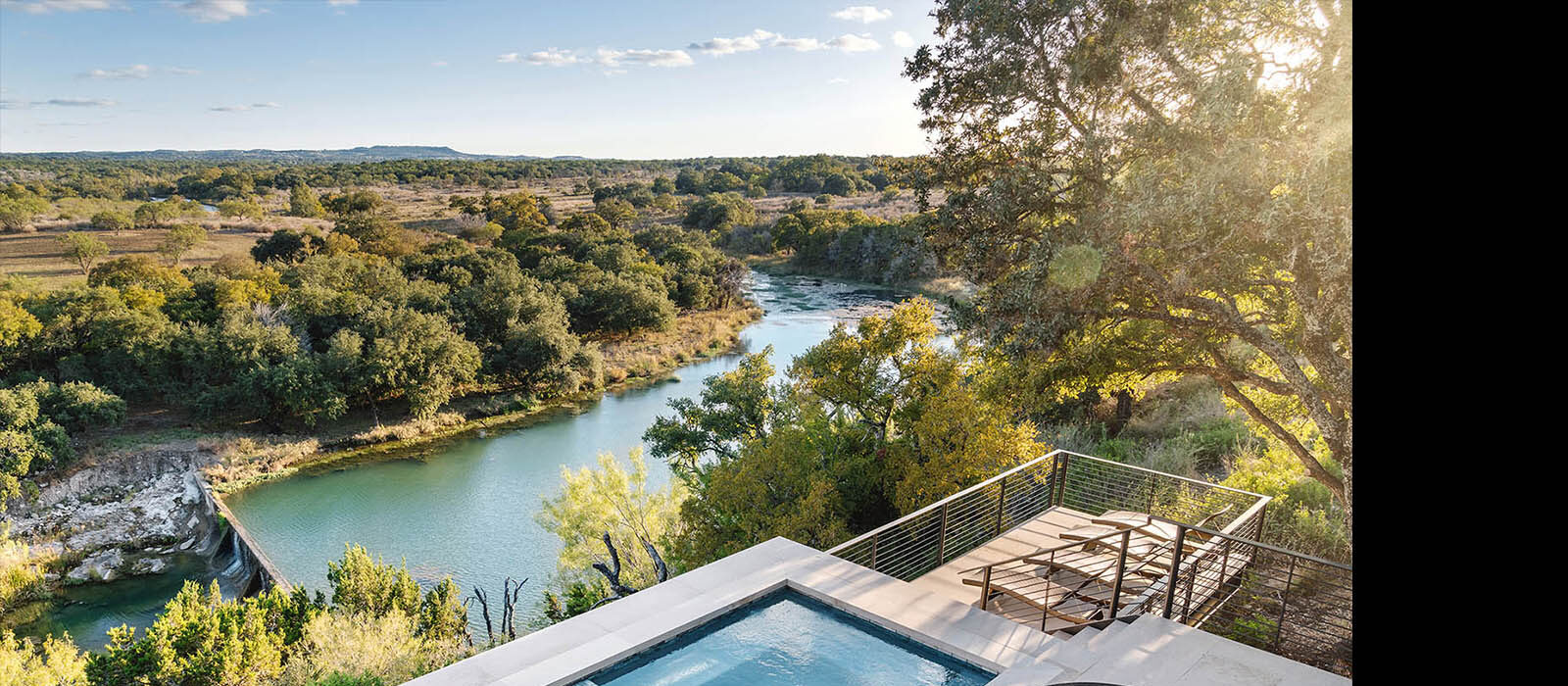
Thoughtful site analysis leads to smarter placement of foundations, better energy efficiency, and long-term durability. It also prevents costly conflicts with the land—avoiding unnecessary cuts, fills, or drainage issues that could undermine the home years later.
This kind of analysis is one of the first steps in my process, ensuring that each home grows naturally from its setting.
2. Biophilic Design
A home that welcomes nature inward not only enhances beauty but also supports well-being. Biophilic design draws from natural materials, organic textures, and expansive outdoor views to create a daily connection between the residents and their environment.
Whether it’s using stone quarried nearby, incorporating wood finishes that echo the surrounding trees, or orienting windows to frame hill country vistas, biophilic principles help create a sense of continuity between indoors and out.
These decisions offer more than aesthetics—they nurture a deeper sense of belonging within the home.
 3. Thoughtful Home Orientation
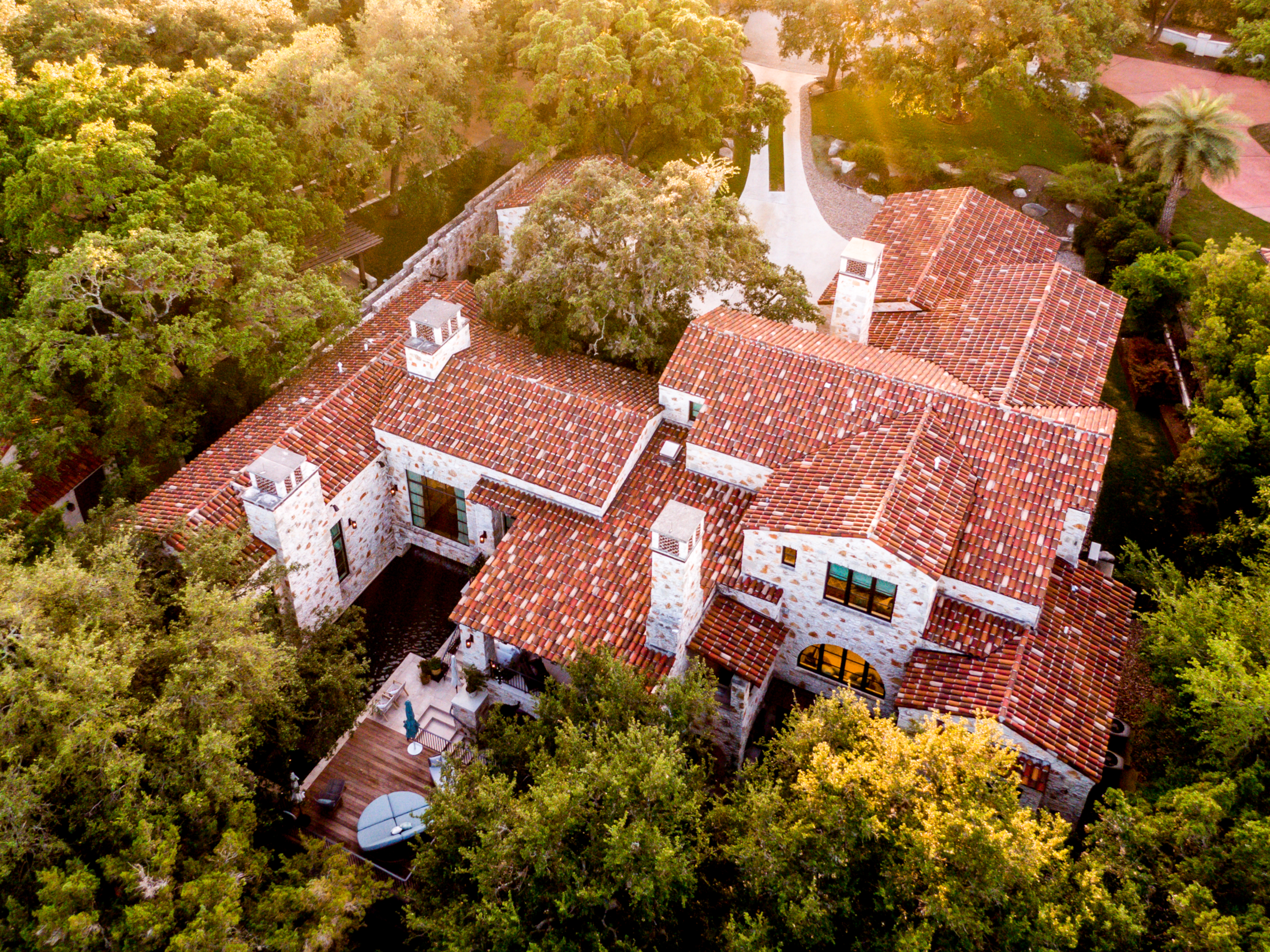
A home’s placement on its site is as critical as its design. Orientation determines how the building interacts with sun angles, prevailing breezes, and views.
By considering these factors, architects like myself can reduce heat gain in the summer, invite natural light in the winter, and capture cooling breezes year-round. Stepped foundations and well-placed screen walls, windows, roof overhangs, and other buffering devices, not only enhance comfort but also give the home a sense of intentional rootedness in its landscape.
This balance of practicality and poetry transforms a house into a place of enduring harmony.
A Quieter Kind of Luxury
When architecture embraces the land, the result is a home that belongs—anchored in simplicity, shaped by its surroundings, and elevated by its restraint. True luxury lies not in excess, but in resonance: a home that feels inevitable, as though it could not exist anywhere else.
At J Christopher Architecture, I begin each project with curiosity and care, listening to the land as closely as I listen to our clients. By uniting your vision with the character of the site, I design homes that are deeply personal, highly functional, and unmistakably of their place.
Learn more about how I approach design with the land in mind: https://www.jchristopherarchitecture.com/services.
Frequently Asked Questions About Building Homes Around the Land
Why is site analysis so important before designing a home?
Site analysis reveals the land’s opportunities and constraints—such as slope, soil, sun patterns, and water flow—helping architects create designs that work with nature rather than against it.
How does biophilic design improve daily living?
By incorporating natural light, textures, and views, biophilic design enhances comfort and well-being, creating a living environment that reduces stress and fosters a stronger connection to nature.
What are the benefits of orienting a home to the sun and wind?
Proper orientation reduces energy consumption, enhances comfort, and maximizes the best views. It also helps homes adapt naturally to Texas’s seasonal climate shifts.
Can thoughtful orientation and site-responsive design increase property value?
Yes. Homes designed in harmony with their land often have greater long-term value, as they age gracefully, are more energy-efficient, and resonate with future buyers who appreciate intentional design.
Is it possible to redesign an existing home to better fit its site?
Absolutely. While more challenging than starting from scratch, remodeling projects can introduce improved orientation, outdoor connections, and landscape-sensitive features to bring existing homes into better alignment with their surroundings.