

Where you build matters just as much as what you build
A home’s story begins with its setting. The location provides context—its history, culture, environment, and landscape—that shapes how architecture takes form and connects to its surroundings. Like the backdrop of a novel, the site influences how a home feels, functions, and resonates with those who experience it.
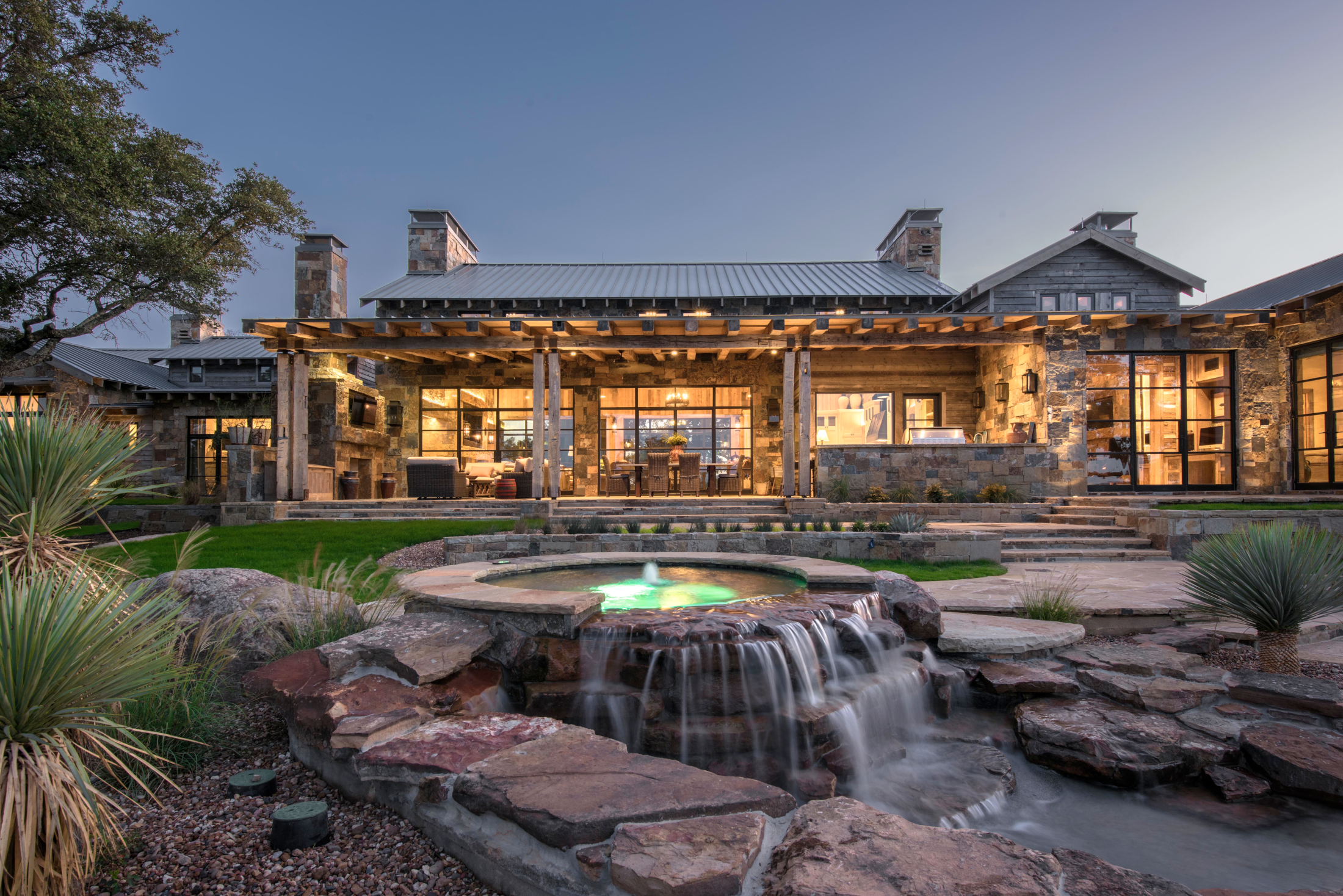 Here are five ways location can shape architectural design:
1. Historical Context
The history of a place can inspire design choices, materials, and purpose. Drawing from local heritage layers a home with meaning that honors the past while reinterpreting it for modern living.
2. Cultural Identity
Architecture has the power to reflect traditions, craftsmanship, and stories unique to a region. When design is informed by culture, it deepens the emotional connection between the home and its environment—creating spaces that feel both rooted and personal.
3. Climate & Environment
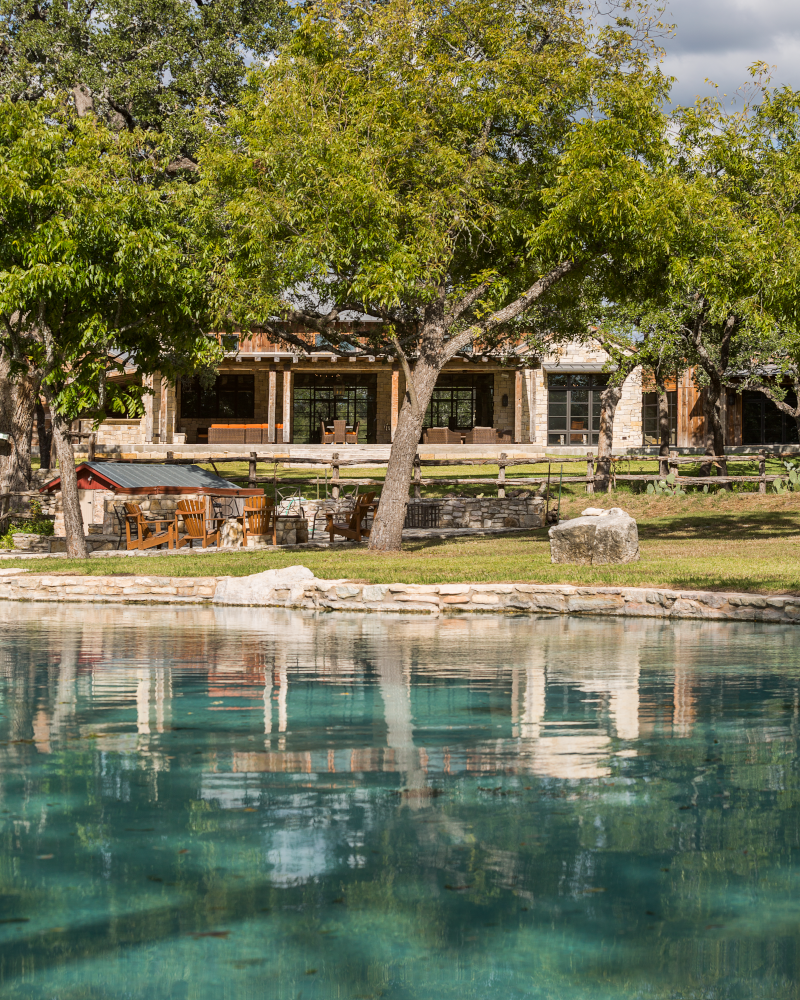 Climate is one of the most practical and poetic forces shaping architecture. Designing with sun angles, prevailing winds, rainfall, and seasonal shifts in mind creates homes that are resilient, sustainable, and authentically tied to their place.
4. Landscape
The contours of the land—its slopes, trees, and natural features—guide how a structure is placed and experienced. Working in harmony with the terrain anchors a home in its setting, creating a sense of timeless belonging.
5. Movement & Connection
The approach, entry, and pathways through a home shape how it is experienced. By designing intentional circulation, architects can build anticipation, create a sense of flow, and foster meaningful connections between people and their surroundings.
Designing Homes That Belong
At J Christopher Architecture, we believe every home should be a thoughtful response to its environment—crafted to reflect not only your vision but also the unique character of its setting. Through collaboration with trusted experts and skilled professionals, we design homes that honor their context while meeting the highest standards of quality, safety, and durability.
Discover how we craft homes that are as enduring as they are beautiful. Visit our services page here.
Frequently Asked Questions About Location and Home Design
Why is location important in architectural design?
Location provides the historical, cultural, environmental, and physical context that shapes how a home feels, functions, and endures over time.
How does climate influence home design?
Climate determines how a home should respond to sun, wind, rain, and seasonal shifts. Designing with climate in mind improves comfort, efficiency, and sustainability.
What does it mean to design with the landscape?
Designing with the landscape means working with natural contours, trees, and features instead of flattening or overriding them, ensuring the home feels integrated and timeless.
Can architecture reflect local culture?
Yes. Architecture can draw from local traditions, materials, and craftsmanship to create homes that feel authentic and connected to their community.
How does movement affect the way a home is experienced?
Movement includes the approach, entry, and circulation within a home. Thoughtful planning creates a sense of flow, builds anticipation, and shapes the emotional experience of living in the space.